

August 2011
 View Full Print Edition
Business Briefs

Business Briefs
By Ethanol Producer Magazine Staff

People, Partnerships & Deals
By Biorefining Magazine Staff

Business Briefs
By Staff
Columns

Plain Target Versus Imbedded Subsidies
By Mike Bryan

Iowa Expands Renewable Fuels Incentives
By Andrew Anderson and Adam B.Thimmesch

The Growing Challenge of Glyphosate-Resistance
By Mark Jeschke

Entering the Endgame
By Robert Vierhout

E15. What Now?
By Ron Lamberty

How Far We've Come in the Ethanol Industry
By Tom Buis

The Work at Hand for E15 Market Expansion
By Bob Dinneen

A Satisfying Event
By Susanne Retka Schill

Supporting Biogas Production Just Makes Sense
By Rona Johnson

BPA Hosts Successful Washington Fly-In
By Bob Cleaves


Significant Biomass Power Generation: Still Waiting in the Wings
By Chris Zygarlicke

Structuring a Successful Co-location Project
By Dean R. Edstrom
Energy Farming Methods Mature, Improve
By Richard Palmer
Consistency is King
By Michael McAdams
The Unbiomass
By Ron Kotrba

Optimizing for Better Economics
By John Eustermann

BQ-9000: A Community-Scale Perspective
By Rachel Burton

Feel the Heat
By Ron Kotrba
Featured

A Constant in Changing Times
By Kris Bevill
One plant's success story in an ever-evolving industry

2011 FEW Review - Track 4 Production: Tuning it Up
By Susanne Retka Schill
Multi-pronged approaches to optimization

Competitive salaries aren't the only thing people look for in their job choice
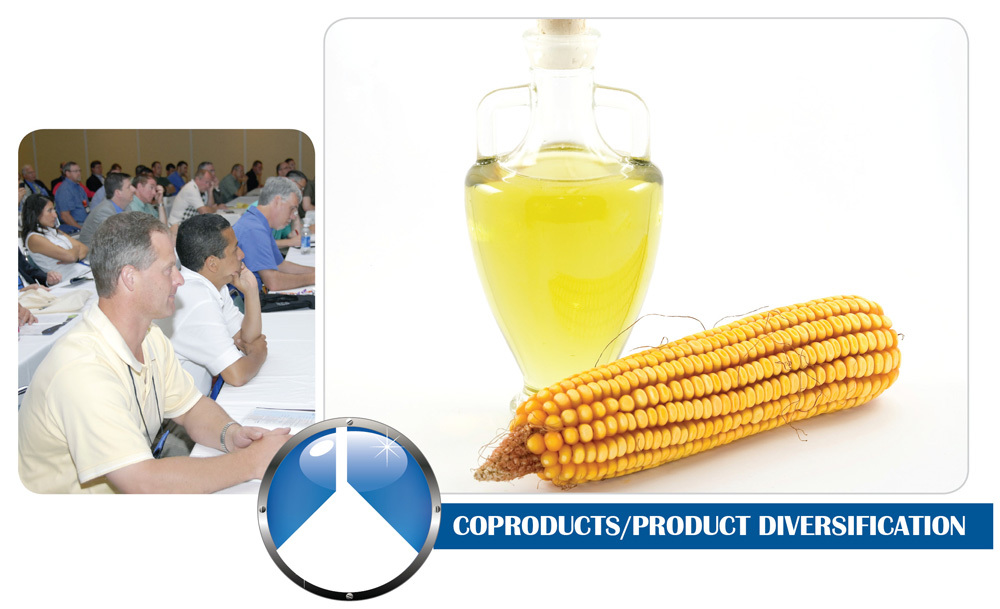
The next generation of corn ethanol coproducts is here

2011 FEW Review
By Holly Jessen, Kris Bevill, Ron Kotrba and Susanne Retka Schill
Advancing the Industry Through Promotion, Policy and Technology

2011 FEW Review: Cellulosic Ethanol Ready Now
By Kris Bevill

Seeking Common Ground
By Julia Olmstead
Traveling together to Brazil, Americans representing a range of perspectives on ethanol and environmentalism attempt to forge a shared path toward ethanol sustainability

Troubleshooting – How the Lab Can Help
By Sabrina Trupia
Reviewing the basics of fermentation from a lab analyst's point of view

Catching the Sugar Wave
By Holly Jessen
Not content to let Brazil hog all the glory, three development-stage companies eye sugar-based ethanol feedstocks
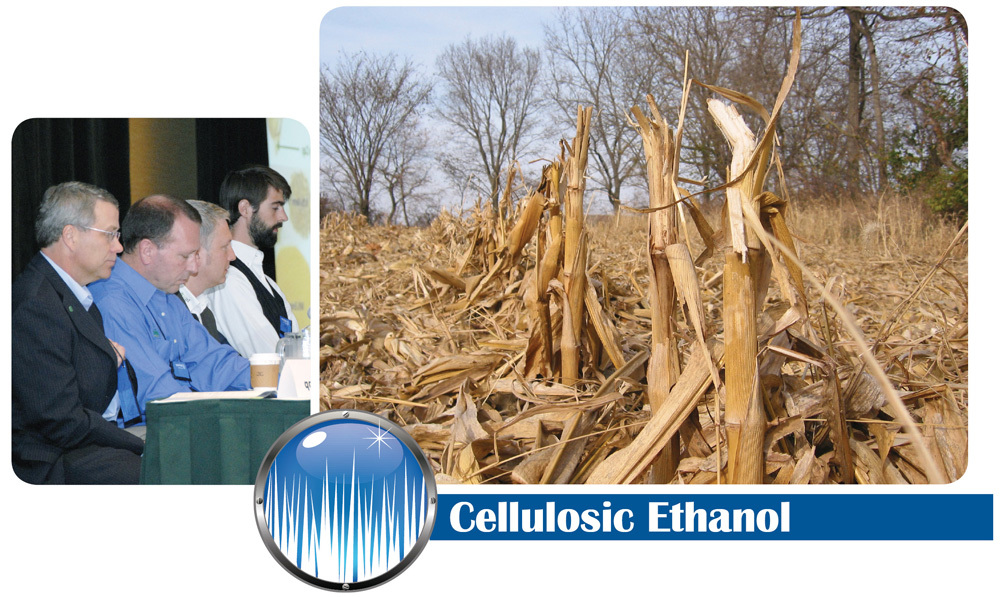
Cellulosic producers present multiple paths forward

While organic waste-to-biogas power technologies are common in Europe, they are first-of-a-kind in most U.S. states and need to prove themselves before they can become a trend.

Besides edging toward sustainability goals, a unique biodigester on the University of Wisconsin Oshkosh campus will also provide learning opportunities, and eventually financial assistance, for students.

A five-farm digester venture in Massachusetts could be a game-changer for struggling dairy farmers.
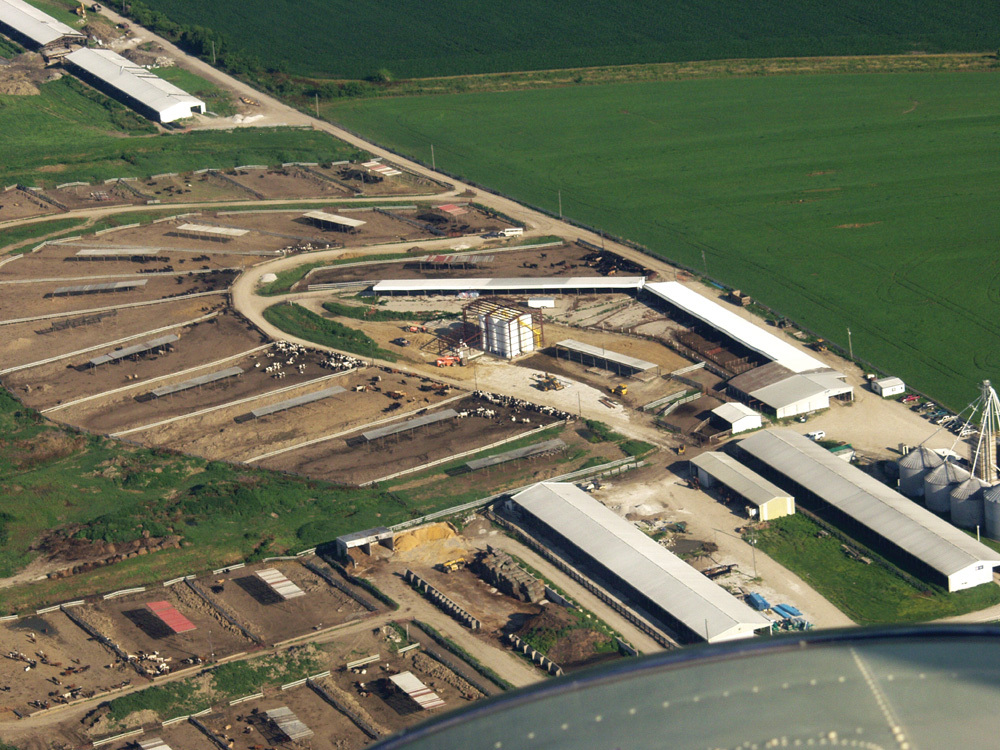
Missouri has ample resources for a booming anaerobic digestion sector, but surprisingly few parties have taken advantage of the enormous opportunity.
Why substantial progress hasn't been made—and why it will
Upstream Diversity
By Bryan Sims
Sewer sludge, food and beverage wastes and plastics can provide abundant feedstock for biorefineries located onsite
A Walk in the (Research) Park
By Erin Krueger
R&D centers can offer important infrastructure and networking benefits to startups as they work toward commercialization
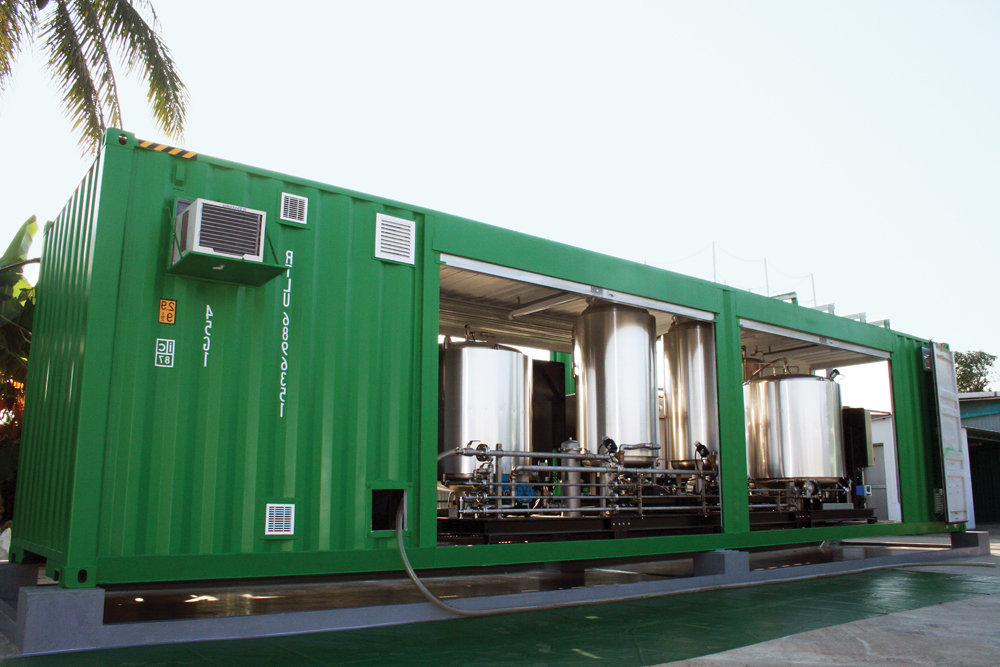
Streamlining a Community-Scale Solution
By Erin Krueger
Green Fuels America spearheads an innovative approach to vertically integrated, community-scale project development
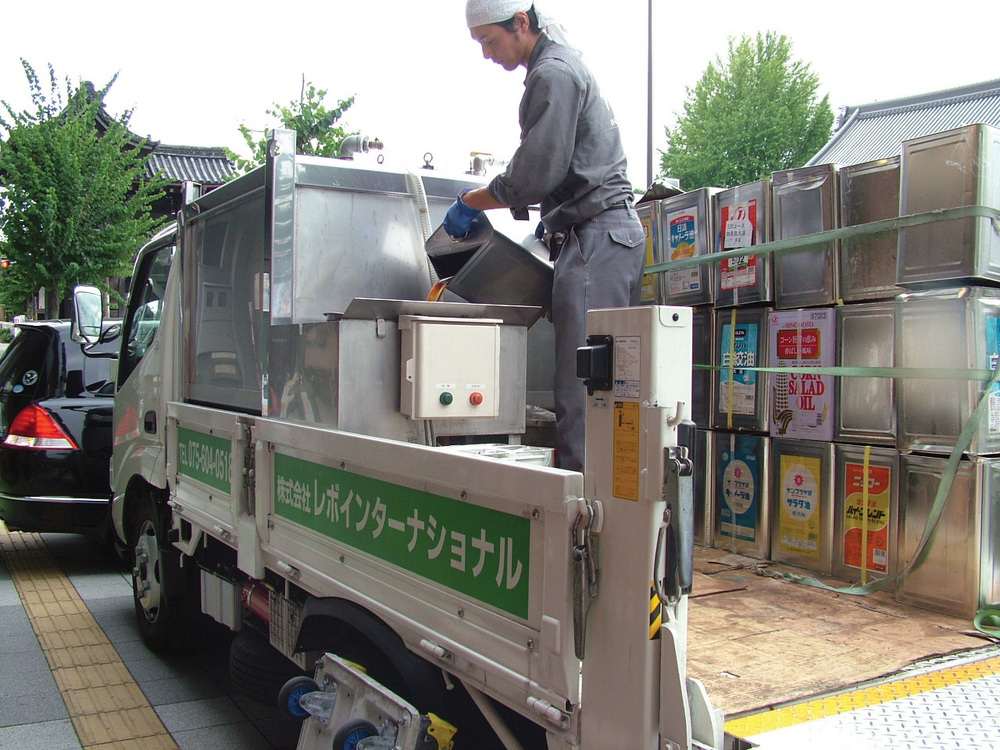
Do Community Co-Ops Matter?
By Luke Geiver
RFS2 mandates biodiesel production, but local communities need a cooperative approach

ASTM Approval
By Bryan Sims
Hydroprocessed biojet achieves significant milestone toward commercialization
Contributions

Louisiana Biofuels Plan Would Decentralize Production
By Michael K. Bullard
How the 2008 Recession Halted the Progress of Louisiana's Advanced Biofuel Industry Development Initiative

Helping Ethanol Producers Operate in the “Sweet Spot”
By Guillermo Coward-Kelly
Novozymes describes the process behind finding innovative solutions

Sweet Sorghum Boosts the Efficiency of Ethanol
By Benjamin Burroughs
Ethanol has some distinct advantages as a fuel, and sweet sorghum promises even better input/output ratios
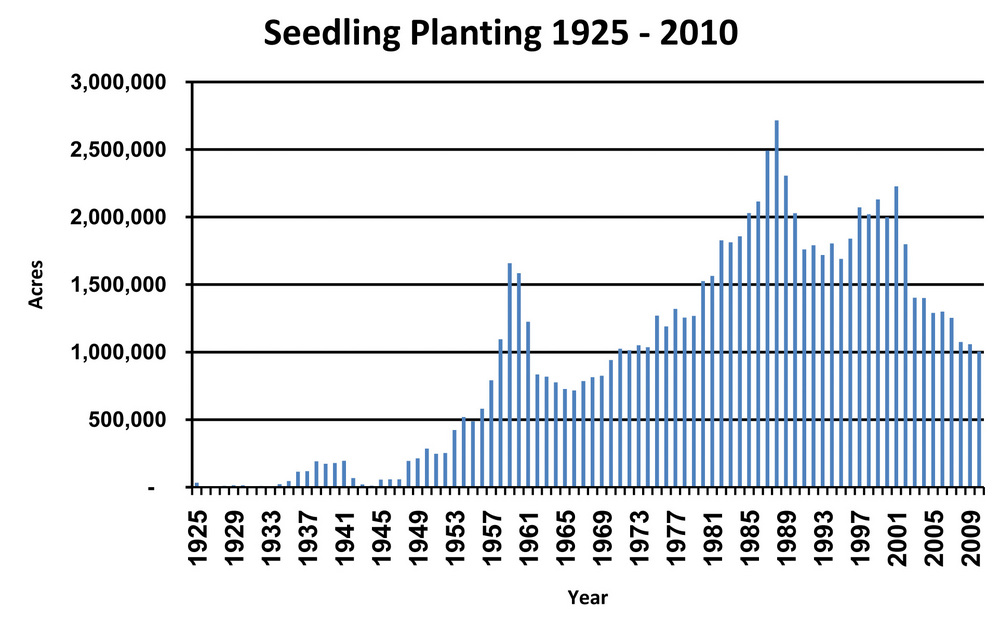
Are we headed for a pine pulpwood shortage in the U.S. South?
Biomass standards are variations of coal and petroleum coke standards, but as the use of biomass increases governing standards agencies may have to come up with more specific procedures.

Defeating NIMBYism
By Al Maiorino
Overcome project opposition through strategic offense and building a local alliance

Quick and Dirty Feedstock Characterization
By Christina Borgese and Marc Privitera
Practical advice for cash-strapped community-scale biodiesel plants

@ Copyright 2026 - BBI International - All rights reserved.