DOE partners with federal agencies and industry on action plans for energy and emissions innovation across US transportation sectors
SOURCE: U.S. Department of Energy
December 19, 2024
BY U.S. Department of Energy
Advertisement
Advertisement
Related Stories
International Air Transport Association has announced the release of the Sustainable Aviation Fuel (SAF) Matchmaker platform, to facilitate SAF procurement between airlines and SAF producers by matching requests for SAF supply with offers.

ATR and French SAF aggregator ATOBA Energy on June 19 signed a memorandum of understanding (MOU) to explore ways to facilitate and accelerate sustainable aviation fuel (SAF) adoption for ATR operators.

Greene Tweed, a global leader in advanced materials and high-performance solutions, has released results from a study confirming the compatibility of its fluorine-based elastomer seals with sustainable aviation fuels (SAF).
4AIR's Assure SAF Registry marks major milestone of 10 million gallons of SAF registered on platform

4AIR on June 24 announced a significant milestone: its Assure SAF Registry, a private blockchain-backed ledger and inventory management tool, has well surpassed 10 million gallons of SAF registered on the platform.
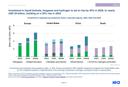
The International Energy Agency in June published its World Energy Investment 2025 report, predicting that investment in liquid biofuels, biogases and low-emissions hydrogen will increase 30% this year to a record high of nearly $25 billion.
Upcoming Events

@ Copyright 2025 - BBI International - All rights reserved.