
NREL converts lignin into a nylon precursor with microbes
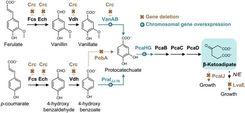
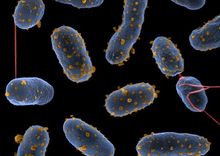
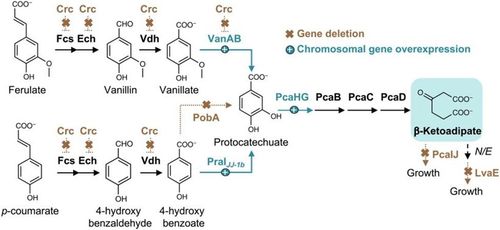
In the wild, P. putida naturally produces β-ketoadipic acid. NREL scientists used genetic engineering to make the process more prolific. Figure by Allision Werner, NREL
October 3, 2024
BY U.S. Department of Energy
Advertisement
Advertisement
Related Stories

Nippon Paper Industries Co. Ltd., Sumitomo Corp., and Green Earth Institute Co. Ltd. have announced plans to form a JV, Morisora Bio Refinery LLC, which will focus on the production and sale of ethanol and chemicals from woody biomass.
The ethanol industry’s contribution to the U.S. economy remained “robust” last year, as record-setting production offset the impact of lower commodity prices, according to a report released Feb. 17 by the Renewable Fuels Association.

POET and Tallgrass on Feb. 13 announced they have entered into definitive agreements to connect POET’s Fairmont, Nebraska, bioprocessing facility to the Tallgrass Trailblazer carbon dioxide (CO2) pipeline.

The U.S. agricultural industry is a global leader in high-quality, affordable feed grains and their co-products including biofuels like ethanol and feed additives like distillers dried grains with solubles (DDGS).

Comstock Inc. on Jan. 30 announced the execution of definitive agreements between Comstock Fuels Corp. and SACL Pte. Limited, a Singapore-based renewable fuel project developer, related to projects in Australia, New Zealand, Vietnam and Malaysia.
Upcoming Events

@ Copyright 2025 - BBI International - All rights reserved.